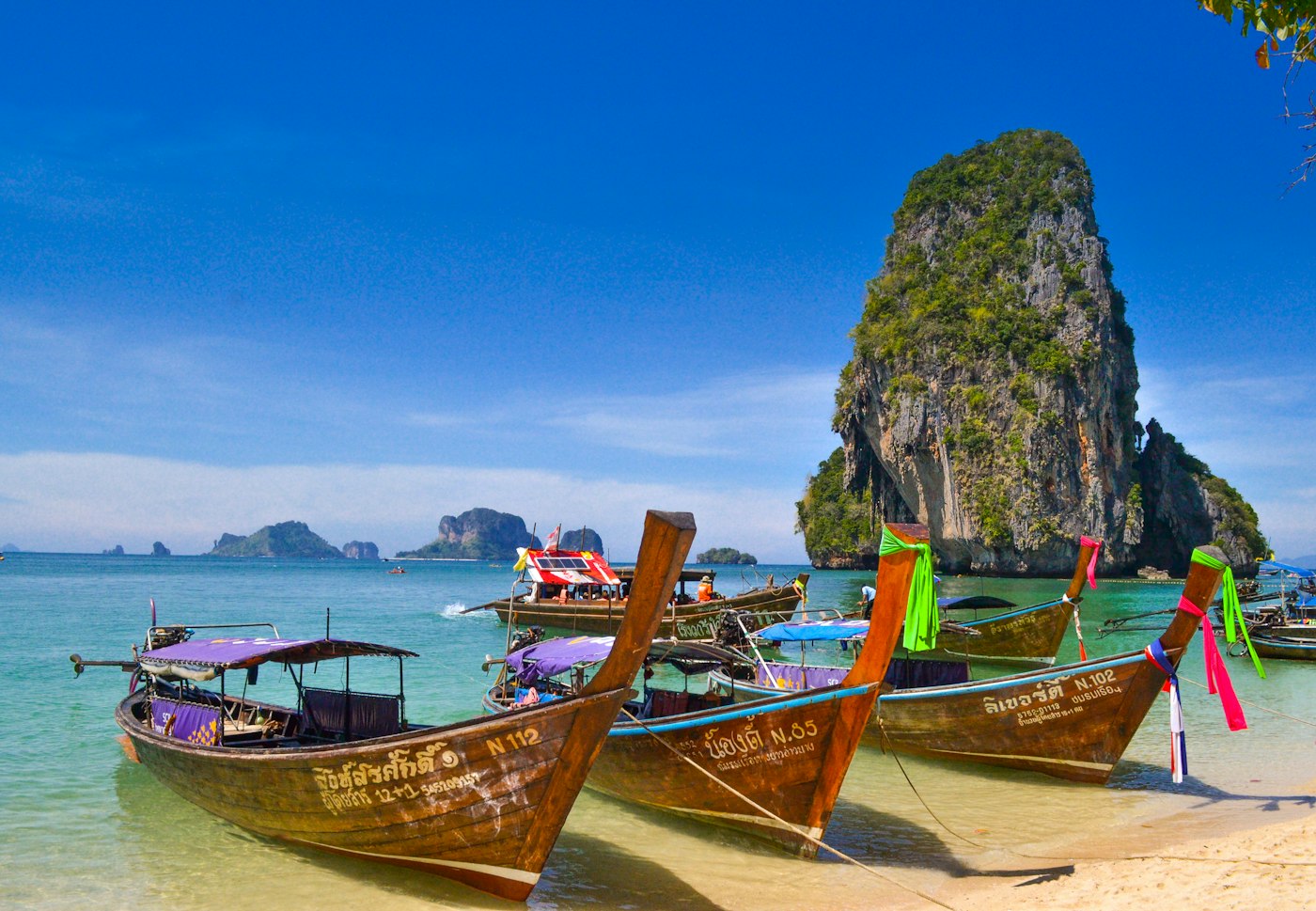
I still remember my first week in Phuket. I had no SIM card for two days, I'd put a deposit on a villa in Patong that I immediately regretted, and I spent three hours at the immigration office before realising I'd gone to the wrong building. By month two I had a motorbike, a bank account, a flat I actually liked in Rawai, and a favourite coffee shop. By month six it felt like home.
The difference between a chaotic first month and a smooth one is almost entirely about order of operations. There's a logical sequence to getting settled in Phuket, and most people get it wrong because nobody tells them what it is. This guide does exactly that — a practical, prioritised, week-by-week plan for your first 30 days.
First Month Quick Stats
- Budget needed: 60,000–120,000 THB depending on area and lifestyle
- Most important week: Week 1 — visa, SIM, cash. Everything else can wait.
- Easiest bank for expats: Bangkok Bank (Phuket Town branch) or Kasikorn Bank (KBank)
- Best area to start: Rawai/Nai Harn or Chalong — affordable, expat-friendly, realistic
- Biggest mistake: Signing a 6-month lease in your first week before you've seen other areas
- Transport first: Rent a motorbike (2,500–3,500 THB/month) before anything else
Before You Land: The Pre-Arrival Checklist
The week before you arrive in Phuket matters more than most people realise. A little preparation means your first 48 hours are orientation rather than emergency triage.
Visa: Know What You're Landing On
If you're entering on a visa exemption (30 days for most Western passports, 60 days as of 2025 for some), you need to count your days from arrival — not from when you start feeling settled. Decide before you land whether you'll do a visa run, extend at immigration, or apply for a longer-term visa like the Retirement Visa (O-A), LTR Visa, or DTV (Digital Nomad Visa). Having a plan avoids the panicked last-minute scramble at week three.
Accommodation: Book Flexible, Not Permanent
Book 2–4 weeks of accommodation in advance. Serviced apartments or monthly-rate guesthouses in Rawai, Chalong, or Phuket Town give you the flexibility to explore before committing. Platforms like Airbnb or Facebook groups (search "Phuket Long-Term Rentals") often have good monthly deals. Avoid signing any lease longer than one month until you've actually lived in the area.
What to Bring (That You Can't Easily Get Here)
Phuket has most things. What's genuinely hard to source locally or dramatically overpriced: branded prescription medication (bring 3+ months supply), specific EU or US electrical adapters, good quality insulated water bottles, quality hiking boots, and any niche hobby equipment. Pharmacies at Bangkok Hospital Phuket stock most common medications, but generics are the norm.
Week 1 — The Foundation (Days 1–7)
- Day 1: Get a local SIM card immediately — any 7-Eleven, Family Mart, or the AIS/DTAC counters at Phuket Airport. AIS True Move H or DTAC are the most reliable. A tourist SIM with unlimited data costs around 300–500 THB for 30 days.
- Day 1–2: Exchange cash at a SuperRich counter (Central Festival mall has one), a bank branch, or an exchange booth on the street. NEVER use airport exchange counters — rates are 5–10% worse. Withdraw your first cash from an ATM using a Wise or Revolut card to skip the 200–220 THB ATM fee.
- Day 2–3: Rent a motorbike. Chalong Circle area has dozens of rental shops. Budget 2,500–3,500 THB/month for a basic automatic scooter. Inspect it thoroughly before accepting — photograph any existing scratches.
- Day 3–5: Visit a visa agent. There are several reputable agents in Phuket Town near the Immigration Office (off Phuket Road, near Robinson). Discuss your options and timeline. Budget 3,000–6,000 THB for agent fees depending on visa type.
- Day 5–7: Begin exploring different areas. Drive around Rawai/Nai Harn, Chalong, Kata/Karon, Bang Tao, and Phuket Town. Have at least one meal in each. Your sense of where you actually want to live will crystallise fast once you're mobile.
Week 2: Getting Financial and Mobile
By week two you should have a SIM, cash, transport, and basic accommodation sorted. Now it's time to get properly connected financially.
Opening a Thai Bank Account
This takes longer than you'd expect, so start early. Bangkok Bank's Phuket Town branch on Phang Nga Road is the most expat-friendly — the staff are used to dealing with foreigners and the process is relatively painless. Kasikorn Bank (KBank) at Central Festival Phuket is also good. You'll need your passport, a local address (hotel/Airbnb booking confirmation usually works), and sometimes a letter from an employer or proof of income. Processing takes 1–5 business days.
Why bother? A Thai bank account lets you transfer money locally (PromptPay), pay rent without fees, and avoid the 220 THB ATM fee on every withdrawal. It also lets you use SCB Easy or KBank apps for everything from paying utility bills to splitting dinner.
Setting Up a Wise Account
If you don't already have one, set up a Wise account before or right after you arrive. It gives you a multi-currency account with a real debit card, and the exchange rates are far better than your home bank. Use it for initial ATM withdrawals until your Thai account is active.
Open a Wise Account for Free
Transfer money to Thailand at the real exchange rate — no hidden fees. Used by thousands of Phuket expats to move money without getting ripped off.
Get Wise — No Monthly Fee →Finding Your Longer-Term Home Base
Week 2 is when you should be actively scouting long-term rentals. Facebook groups are the primary market — "Phuket Expat Rentals", "Phuket Housing", and area-specific groups. Property portals like DDProperty and FazWaz list more premium inventory. Budget ranges by area in 2026:
| Area | Studio/1BR monthly | 2BR House/Villa | Vibe |
|---|---|---|---|
| Rawai / Nai Harn | 8,000–18,000 THB | 18,000–40,000 THB | Expat community, local feel |
| Chalong | 7,000–16,000 THB | 15,000–35,000 THB | Central, affordable, practical |
| Phuket Town | 6,000–14,000 THB | 12,000–28,000 THB | Urban, Thai-local, great food |
| Kata / Karon | 10,000–22,000 THB | 22,000–50,000 THB | Beach access, touristy but liveable |
| Bang Tao / Laguna | 18,000–40,000 THB | 40,000–120,000 THB | Premium, families, resort lifestyle |
| Kamala / Surin | 15,000–35,000 THB | 30,000–80,000 THB | Quieter, upscale, less expat density |
For a deeper look at which area suits your lifestyle and budget, read our complete Phuket area guides — including the real differences between Rawai/Nai Harn and Bang Tao/Laguna.
Week 2 — Getting Established (Days 8–14)
- Visit 2–3 bank branches and start the account opening process at your preferred bank
- Set up Wise and use it for currency exchange while waiting for Thai account
- Actively look at rental properties in 2–3 areas — view in person, not just photos
- Get your motorbike driving routine down — identify your go-to petrol station (PTT near Chalong Circle is reliable), learn key roads
- Find your neighbourhood coffee shop, market, and go-to cheap Thai meal (Chalong market, Or-Tor-Kor near Big C, local noodle shops)
- Join the relevant Facebook expat groups for your area
Week 3: Healthcare, Insurance, and Paperwork
Once you have housing sorted, week three is about making sure you're protected and legal for the longer term.
Health Insurance: Don't Skip This
Phuket has excellent hospitals — Bangkok Hospital Phuket on Yaowarat Road and Siriroj Hospital near Phuket Town are the main expat destinations — but they're expensive without insurance. A minor emergency can cost 15,000–40,000 THB. A serious one can run into the millions. Health insurance for Phuket-based expats typically costs 25,000–80,000 THB/year depending on age, coverage level, and deductible.
International insurers like Cigna, AXA, Pacific Cross, and Allianz are the most popular with Phuket expats. Compare quotes before committing — premiums vary significantly for equivalent coverage.
Compare Expat Health Insurance for Phuket
Get quotes from Cigna, Pacific Cross, and AXA — plans specifically designed for Phuket expats with access to Bangkok Hospital and Siriroj.
Get a Free Health Insurance Quote →Registering Your Address (TM30)
If you're staying anywhere other than a hotel, your landlord is technically required to file a TM30 (notification of foreigner staying at address) with immigration. Most landlords know about this; some don't. If yours doesn't, gently remind them — it can cause problems when you do your 90-day reporting later. The process is simple and free at Phuket Immigration Office on Phuket Road.
Driving Licence
Your home country driving licence gives you some legal cover, but getting an International Driving Permit (IDP) before you arrive, or a Thai driving licence after settling, is strongly recommended. The Phuket Land Transport Office (on Thepkrasattri Road near the airport) can issue a Thai licence if you have a valid foreign licence. Cost: around 1,050 THB. The process involves a colour blindness test, a reaction test, and a short theory exam.
Week 3 — Protection and Paperwork (Days 15–21)
- Research and purchase health insurance — do this before any major activity
- Confirm your landlord has filed TM30 at immigration (or remind them)
- Visit Bangkok Hospital Phuket or Siriroj for a basic health check or to establish a doctor relationship — walk-in is fine
- Apply for Thai driving licence if staying longer-term
- Register with your country's embassy if not already done (most embassies have online registration)
- Set up PromptPay on your Thai bank app for easy money transfers
Week 4: Community, Lifestyle, and Settling In
By week four, the admin chaos should be settling down. This is when Phuket starts to feel like it might actually be home rather than a slightly stressful holiday.
Finding Your People
Phuket's expat community is large, fractured by area, and sometimes cliquey — but there are genuine pockets of warmth. The easiest entry points are Friday Rawai Beach Market (weekly gathering of expats and locals), Hash House Harriers runs (Sunday social run/walk with a post-run party — very welcoming), Phuket Expat Club events, trivia nights at expat bars, and language exchange meetups at coffee shops in Phuket Town.
Setting Up Your Household
Phuket has reasonable infrastructure for expats setting up a home. Big C and Makro (near Phuket Town) handle groceries, kitchenware, and electronics. Homepro and Global House are the main home improvement stores. Index Living Mall on Chalermprakiat Road has decent furniture. For second-hand, Facebook Marketplace is active.
Week 4 — Building Your Life (Days 22–30)
- Attend one social event — Hash run, Friday beach market, expat meetup, or trivia night
- Establish a gym routine or outdoor activity (Phuket has running groups, cycling groups, Muay Thai gyms, yoga studios in most areas)
- Set up home internet if not included in rent (True Internet and AIS Fibre are the main providers; see our Phuket internet providers guide)
- Find your regular Thai language school or app — even basic Thai changes your daily life here dramatically
- Do a proper grocery shop at a local market — Rawai Market, Ban Hua Thanon Market, or Or-Tor-Kor — to calibrate how affordable local food is vs. imported
- Begin planning your visa next steps before you run out of days
The Biggest First-Month Mistakes (From Six Years of Watching People Make Them)
After watching hundreds of expats arrive in Phuket, these are the mistakes that create the most grief:
Signing a Long Lease Too Fast
The most common and most expensive mistake. Phuket looks completely different from a motorbike after two weeks than it does from Airbnb photos before arrival. People sign 6-month or 1-year leases in week one and spend the rest of the lease resenting their location. Give yourself a minimum of two weeks, ideally four, before committing.
Ignoring Visa Deadlines
Overstaying your visa in Thailand carries a fine of 500 THB per day, can lead to detention, and can result in a ban from re-entry. This is not a bureaucratic technicality — it happens to expats regularly. Count your days from the stamp in your passport, not from when your accommodation starts.
Not Getting Health Insurance Immediately
Phuket's roads are dangerous — motorbike accidents are the number one reason expats end up in Bangkok Hospital with a large bill and no coverage. Get insurance before you rent a motorbike.
Trying to Reproduce Your Home Country Life
Imported cheese, European wine, air-conditioned malls, and Netflix exist here, but leaning on them exclusively is expensive and isolating. The expats who are happiest in Phuket are the ones who learn some Thai, eat at local restaurants, shop at local markets, and engage with Thai culture — not just expat bubble culture.
First Month Budget: Realistic Numbers
Here's what a realistic first month actually costs in 2026, depending on your area and lifestyle:
| Expense | Budget (THB) | Mid-Range (THB) | Premium (THB) |
|---|---|---|---|
| Accommodation (1BR, incl deposit) | 20,000–35,000 | 35,000–60,000 | 60,000–120,000+ |
| Food (mix local + occasional Western) | 8,000–12,000 | 12,000–20,000 | 20,000–35,000 |
| Motorbike rental (1 month) | 2,500–3,500 | 3,500–6,000 | 6,000–15,000 (car) |
| Fuel | 800–1,500 | 1,500–3,000 | 3,000–6,000 |
| SIM card + data | 300–500 | 500–800 | 800–1,500 |
| Health insurance (first month) | 2,000–4,000 | 4,000–7,000 | 7,000–15,000 |
| Visa agent fee | 3,000–5,000 | 3,000–5,000 | 3,000–5,000 |
| Setup costs (bedding, kitchen, etc.) | 3,000–8,000 | 8,000–15,000 | 15,000–30,000 |
| Approximate total | ~40,000–70,000 | ~70,000–115,000 | ~115,000–220,000+ |
For a deeper dive into ongoing living costs, read our complete Phuket cost of living guide 2026 — with area-by-area breakdowns and monthly budget templates.
Plan Your Budget with Our Free Calculator
Input your lifestyle preferences and preferred area — get a personalised monthly budget estimate for Phuket in seconds.
Try the Cost Calculator →Quick Reference: Week-by-Week Priority Checklist
| Week | Priority 1 | Priority 2 | Priority 3 |
|---|---|---|---|
| Week 1 | SIM card + cash | Transport (motorbike) | Visa plan + agent visit |
| Week 2 | Bank account application | Area scouting + rental viewings | Wise account setup |
| Week 3 | Health insurance purchase | TM30 registration | Driving licence application |
| Week 4 | Home internet setup | Social connections | Visa next steps confirmed |
What Comes After Month One
By the end of month one, you should have transport, a bank account, a home, insurance, and some idea of your visa pathway. Month two is when life starts to normalise — you know your coffee shop, your mechanic (you'll need one), your go-to noodle soup place, and maybe a few neighbours.
The expats who struggle in Phuket long-term are usually those who treated month one as a holiday and never built the practical infrastructure. The ones who thrive are those who did the boring stuff early — so the rest of their time here could actually be enjoyable.
For everything beyond month one, bookmark our complete Start Here guide — it covers visas, healthcare, schools, banking, and every other topic a Phuket expat needs, in one place.
Frequently Asked Questions
Continue Your Phuket Relocation Journey
- Complete Start Here guide — everything a new Phuket expat needs
- Phuket visa guide — every visa option explained
- Renting and buying property in Phuket
- Phuket healthcare guide — hospitals, insurance, doctors
- Opening a bank account in Phuket
- Phuket area guides — which neighbourhood is right for you?
- Cost of living in Phuket 2026 — real numbers by area
- Free Phuket relocation checklist — download
Still Have Questions? Ask Us Directly.
Every relocation is different. If you have specific questions about your situation — visa type, area choice, budget — book a free 30-minute consultation with our team.
Book a Free Consultation →Affiliate disclosure: This page contains affiliate links to services we recommend. If you use these links to purchase a product or service, we may earn a small commission at no extra cost to you. We only recommend services we've researched and believe are genuinely useful for Phuket expats. Phuket Expat Guide is not responsible for the products or services offered by third-party providers.