Paddling a sea kayak into a cave inside a limestone karst, emerging into a completely enclosed lagoon with hornbills overhead and absolute silence — that's James Bond Island territory, 40 minutes by longtail from Phuket. But you don't need a day trip to experience genuinely excellent water. The island itself has calm bays, sheltered lagoons, and a year-round paddleboarding community that meets on Tuesday mornings at Ao Yon like a kind of informal water church. After six years here, sea kayaking and SUP are two of the activities I genuinely recommend to every newcomer.
Quick Facts: Kayaking & SUP in Phuket
- Best spot (day trip): Ao Phang Nga Bay — limestone karsts, sea caves
- Best spot (Phuket itself): Ao Yon (east coast), Bang Tao lagoon
- Kayak rental: 200–400 THB/hour on most beaches
- SUP rental: 300–500 THB/hour
- Guided Phang Nga tour: 1,500–3,500 THB per person
- Best season (west coast): Nov–April (calm seas)
- East coast/Phang Nga: Year-round
The Best Kayaking Spots Near Phuket
Ao Phang Nga Bay — The Unmissable Day Trip
Technically in Phang Nga province, but so integral to Phuket's water scene that it can't be left out. Ao Phang Nga National Park — the limestone karst-studded bay made globally famous by The Man With the Golden Gun — is extraordinary by kayak. Paddling through mangrove channels and into hongs (enclosed sea caves that open into lagoons) is one of Southeast Asia's great travel experiences. Full-day guided tours from Phuket Town depart around 08:00, include a longtail boat transfer, guided kayaking through multiple hongs, lunch on the boat, and return by 17:00. Expect to pay 1,800–3,500 THB per person depending on group size and operator.
Key operators worth noting: John Gray's Sea Canoe (one of the original, premium operators, around 3,200 THB), and several local longtail operators from Tha Dan pier who offer no-frills versions for 1,200–1,500 THB. The premium operators use smaller groups, better equipment, and don't enter the hongs during peak tourist influx — worth the extra if you want a calmer experience.
Ao Yon — The East Coast Gem
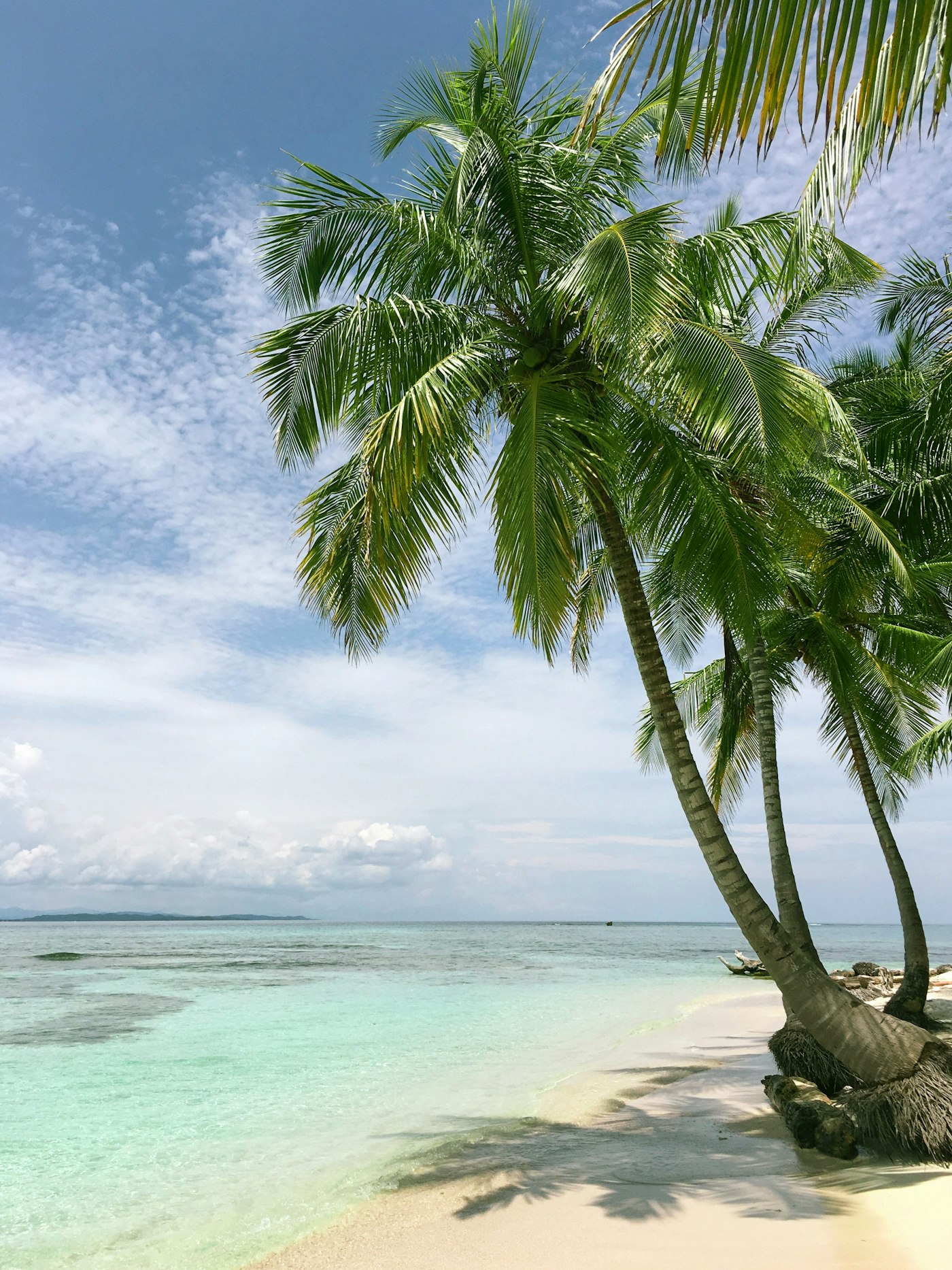
Ao Yon is a small, crescent-shaped bay on Phuket's east coast, south of Cape Panwa. Protected from Andaman swell, it's calm almost year-round — making it the best within-Phuket paddling spot, particularly for SUP. The water turns electric green on clear mornings. Kayak and SUP rentals are available from the beach operators for 200–400 THB/hour. The bay is flanked by rocky headlands that you can paddle around to access smaller hidden coves — worth doing on a calm day.
Bang Tao Lagoon
The freshwater lagoon system behind Bang Tao beach is excellent for paddleboarding. Access the lagoon via the back roads off Laguna Resort. Several watersports rental outfits operate from this area; SUP rental runs about 350–500 THB per hour. The lagoon connects via channels to the sea in places, making for varied and interesting paddling. The Laguna complex also has a dedicated SUP operator with lessons for beginners (600–800 THB for a 60-minute intro session).
Nai Harn Lake
The lake at Nai Harn in Rawai is a favourite with stand-up paddleboarders. The calm fresh water, no boat traffic, and scenic hillside backdrop make it ideal for beginners and anyone wanting to improve their balance. Rentals are available from operators along the lakefront road, typically 200–300 THB per hour. The Rawai SUP Club organises informal group sessions here — look for their Facebook page to join.
Kata/Karon and South Phuket Bays
Kata and Karon are large, sweeping bays on the southwest coast. During dry season (November–April), the Andaman is calm enough for confident paddlers to rent kayaks and explore offshore. Several small rocky islets sit within reasonable paddling distance of Kata — particularly Koh Pu (Crab Island), about 1 km offshore. Rentals at 200–300 THB per hour are widely available from beach operators. Check conditions before going — when the sea's up, these west coast beaches are for swimming and sunsets, not kayaking.
Kayaking vs. Paddleboarding in Phuket: Which Is Better for You?
| Factor | Sea Kayak | Stand-Up Paddleboard (SUP) |
|---|---|---|
| Stability | Very stable, sit-in design | Requires balance, trickier for beginners |
| Speed | Faster on longer routes | Slower but great workout |
| View | Lower vantage point | Standing view — spot marine life, reefs |
| Rental cost | 200–400 THB/hour | 300–500 THB/hour |
| Best for | Cave trips, mangroves, longer paddles | Calm bays, fitness, casual cruising |
| Fitness level | Upper body; less leg | Full body, core-intensive |
| Learning curve | Low (30 min to competent) | Moderate (1–2 sessions to feel solid) |
Guided Tours vs. DIY in Phuket
For the Phang Nga hongs, go guided. The mangrove channels are a maze, tidal windows for hong entry are narrow, and navigating them incorrectly is both dangerous and damaging to the ecosystem. A good guide makes the whole experience — they know which chamber to enter at which tide, and they know the birds and creatures that live in the caves.
For beach paddling within Phuket, DIY rental is easy and often the better choice. Grab a kayak from any beach operator, confirm you can swim, and you're off. The main things to ask: what's the sea state today, how far offshore is it safe to go, and what to do if you capsize (you won't, but good to know). Most beach operators are relaxed about this — they've seen it all.
Safety on the Water in Phuket
A few honest notes on safety. The Andaman west coast during dry season is generally benign for paddling, but conditions can change. Karon and Patong both have strong shore break and rips during the monsoon (May–October) — flag warnings are real, respect them. East coast bays and Phang Nga are protected and forgiving year-round. Always wear the life jacket provided (most rental operators insist on it). Avoid paddling alone in unfamiliar spots. And given Phuket's boat traffic in some channels, stay visible and stay out of navigation lanes.
Having expat health insurance that covers water sports is wise — most standard policies cover kayaking and SUP, but check the fine print. See our health insurance guide for Phuket expats for what to look for in a policy.
Health Insurance That Covers Your Phuket Adventures
A decent policy covers water sports, marine rescue, and Bangkok Hospital Phuket emergency care. Get a free quote tailored to Phuket residents.
SUP Yoga and Fitness Paddling in Phuket
Phuket's wellness scene has enthusiastically adopted paddleboarding for yoga sessions. Several yoga studios around Kata, Kamala, and Bang Tao offer weekly SUP yoga on calm mornings — essentially a regular yoga class conducted on an oversized paddleboard in a sheltered bay. It's as difficult and as fun as it sounds. Prices for a SUP yoga session run 800–1,500 THB including board rental. Search for current operators in the Phuket Expat Community Facebook group — providers change, but demand is steady.
For a complementary water activity, see the guide to Phuket liveaboard trips to the Similans — combining a Phang Nga kayaking day with a Similan liveaboard makes for an exceptional week-long water adventure.
Not sure which operator or bay to choose for your ability level? Drop us a message — we're happy to recommend options based on where you're staying in Phuket.
Get Personalised Advice →Equipment: What to Bring and What to Rent
Beach operators provide kayaks, paddles, and life jackets — bring your own sunscreen (reef-safe if possible: available at Tops supermarket in Central Phuket for 150–250 THB), a waterproof phone pouch (sold at most dive and watersports shops for 100–200 THB), and a rash guard if you burn easily. If you're doing a full-day Phang Nga tour, bring water (operators usually provide some but not always enough), snacks, and a dry bag for your camera. The mangrove tunnels drip — electronics will get wet.
Combining Kayaking with Other Phuket Activities
A dawn SUP session at Nai Harn Lake followed by coffee at one of the lakeside cafés is an excellent start to any day. Phang Nga tours pair well with a stop at Ko Panyi — the floating Muslim fishing village — for lunch. East coast kayaking from Ao Yon can be extended with a visit to Panwa Cape and its seafood restaurants. For more ideas on combining outdoor activities, explore our lifestyle guide, the national parks near Phuket overview, and if you're a diver, liveaboard options from Phuket.
Frequently Asked Questions
Where is the best place to kayak in Phuket?
Ao Phang Nga Bay for a day trip — limestone karsts, mangrove tunnels, and enclosed hongs. Within Phuket itself, Ao Yon on the east coast is calm, sheltered, and uncrowded year-round.
How much does sea kayaking in Phuket cost?
Self-rental kayaks cost 200–400 THB per hour. Guided half-day Phang Nga Bay tours run 1,500–3,500 THB per person including transport and lunch. SUP board rental is 300–500 THB per hour.
Is paddleboarding good in Phuket?
Yes — east coast bays like Ao Yon and the Bang Tao lagoon are ideal for SUP. The west coast is excellent during dry season (November–April) but can be rough during monsoon.
Can beginners kayak in Phuket?
Absolutely. Sheltered bays and lagoons are ideal for beginners. Ao Yon, the Bang Tao lagoon, and guided Phang Nga tours are all beginner-friendly. Avoid open west coast beaches during monsoon.
When is the best time to kayak in Phuket?
November through April for west coast beach paddling. The east coast and Phang Nga Bay are excellent year-round. Dawn sessions before 09:00 offer the calmest water and best wildlife sightings.