♻️ Key Facts: Waste in Phuket
Waste Management in Phuket: Setting Expectations
Coming from northern Europe, Australia or North America to Phuket requires a significant adjustment in waste management expectations. There is no comprehensive kerbside recycling system. Single-use plastic remains widespread despite government campaigns to reduce it. Burning waste in gardens is technically illegal but practised in rural areas. The general waste infrastructure has improved significantly over the past decade but still lags behind most Western countries.
That said, recycling is absolutely possible if you're motivated. The Wongsai (mobile recycling collector) system works well, recycling bank points exist at major stores, and communities like the Phuket Expats Facebook group regularly organise community clean-ups and share recycling resources. The most impactful thing you can do as an expat is reduce single-use plastic consumption at source — use RO water refills, bring reusable bags to markets, and refuse plastic bags at convenience stores.
The Wongsai (แวะซาย, recycling collector) is a truck or motorbike that drives through residential areas collecting recyclable materials — plastic bottles, glass, cardboard, aluminium, metal. They pay for some materials (aluminium is valuable) and take others for free. Building a relationship with your local Wongsai is the most convenient recycling solution for most Phuket households. Ask neighbours or the village headman (phuyaiban) when and where yours operates.
How Rubbish Collection Works in Phuket
Municipal waste collection is managed by local administrative organisations — the OrBorTor (Tambon Administrative Organisation / อบต.) or OrBorJor (Municipal Office / อบจ.) depending on your sub-district. Collection frequency varies by area:
| Area | Collection Frequency | Typical Collection Days |
|---|---|---|
| Phuket Town (municipal area) | Daily in main streets; 3–4x/week residential | Check local OrBorJor Phuket schedule |
| Rawai / Nai Harn | 3–4x per week | Varies by street — ask estate management or neighbours |
| Chalong | 3x per week typically | Mon/Wed/Fri or Tue/Thu/Sat depending on location |
| Bang Tao / Laguna estates | Estate management collects daily to 3x/week | Estate-managed — check with management office |
| Surin / Cherng Talay | 2–3x per week | Varies by sub-district |
| Kamala | 2–3x per week | OrBorTor Kamala schedule |
Rubbish Collection Practical Tips
- Put bin bags by the roadside the evening before your collection day (collection trucks usually run early morning 5–7am)
- In estates and managed developments, the management coordinates with the municipality — leave waste at designated collection points
- Never leave garbage loose on the street — use tied bags and use the roadside bin if provided
- Food waste left in open bags overnight attracts dogs, cats, rats and insects quickly in the tropical heat. Use sealed bags
- Some areas charge a nominal waste collection fee (฿30–฿100/month) included in estate management fees or collected by the village headman
Recycling in Phuket: Where and How
There is no kerbside recycling collection in Phuket. You need to separate recyclables and either use the Wongsai system (best for most households) or take materials to a drop-off point:
Makro Car Park (Bypass Road)
Recycling banks accepting plastic, glass, paper, cardboard and aluminium. Large bins, clearly labelled. Open during Makro hours (6am–10pm). Most accessible comprehensive recycling point on the island.
Big C / Central Festival Car Parks
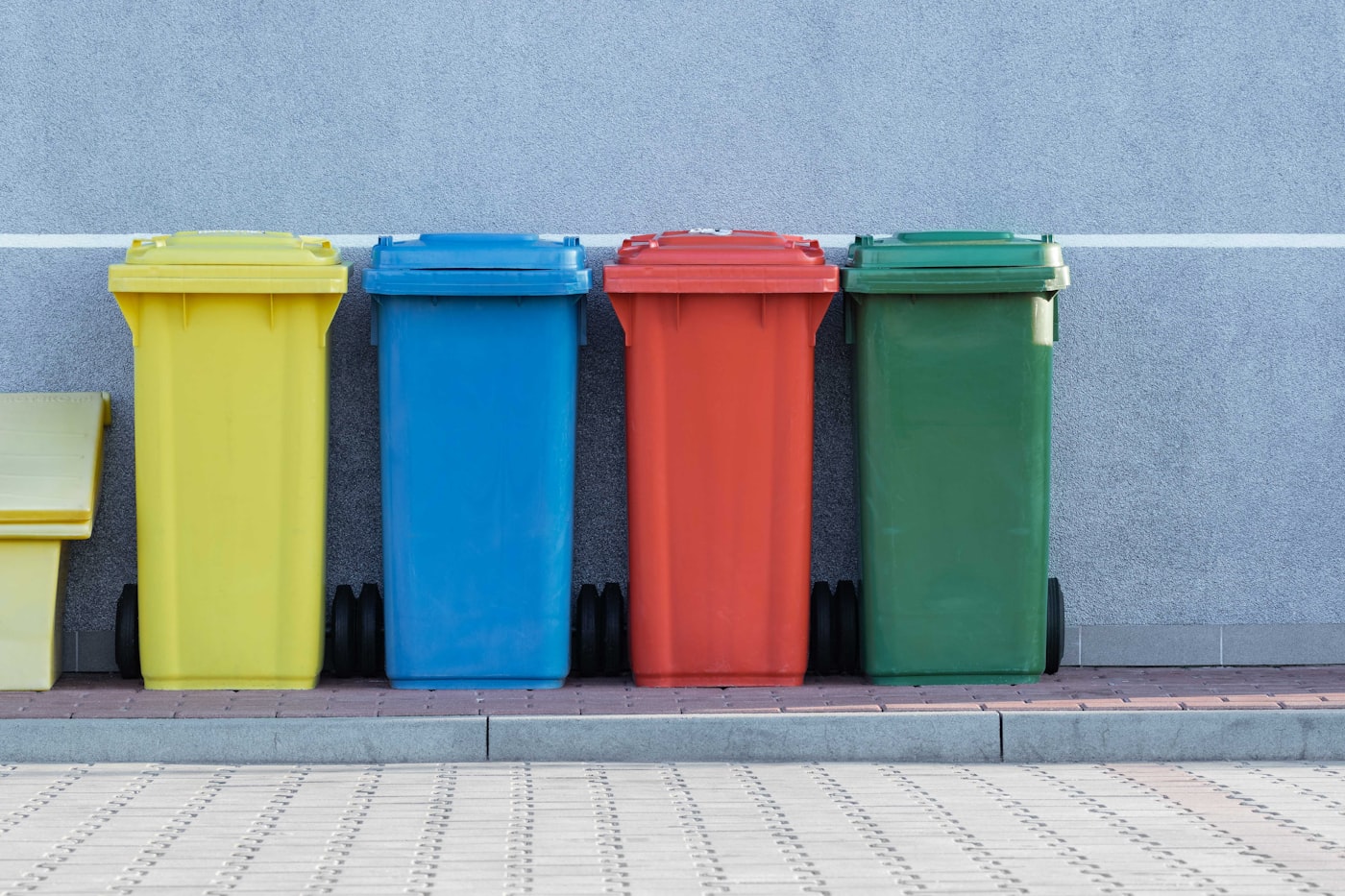
Several locations have recycling collection points in car parks. Check for the coloured recycling bins — not always prominently marked. Good for plastic bottles and glass.
Local Temples (Wats)
Many Phuket temples (wats) run recycling donation drives as a fundraising activity. Community members and expats donate sorted recyclables, which the temple sells to recycling centres. Wat Chalong and Wat Nai Harn are known for this.
Wongsai (Mobile Collector)
Mobile recycling truck that collects from households. Takes plastic, glass, paper, cardboard, aluminium, metal. Pays for aluminium and some metals. Usually operates mornings or evenings on a regular schedule. Ask neighbours for your local Wongsai contact.
Upcycle/Recycle Facebook Groups
"Phuket Zero Waste" and "Phuket Upcycle" Facebook groups coordinate recycling drop-offs, community clean-ups, and connect residents with recycling resources. Active expat participation in both groups.
Rimping & Villa Market
Some branches have bottle return or recycling collection points in-store. Intermittent availability — check current status at your local branch.
What Can Be Recycled in Phuket
| Material | Recyclable? | Where to Take It |
|---|---|---|
| PET plastic bottles (water, drinks) | ✅ Yes | Wongsai, Makro drop-off, Big C bins |
| Glass bottles and jars | ✅ Yes | Wongsai, Makro drop-off |
| Aluminium cans | ✅ Yes (paid) | Wongsai (pays for aluminium), Makro drop-off |
| Cardboard and paper | ✅ Yes | Wongsai, Makro drop-off, temple drives |
| Metal (cans, scrap) | ✅ Yes (some paid) | Wongsai, scrap metal dealers |
| Plastic bags | ⚠️ Limited | Some Big C and Tops locations have bag return bins |
| Styrofoam (food containers) | ❌ Rarely recycled | Reduce use — Styrofoam is a significant Phuket pollution problem |
| Electronics (e-waste) | ✅ Specialist disposal required | HomePro, Power Buy, periodic municipal drives |
| Batteries | ✅ Specialist disposal required | HomePro battery collection boxes |
| Cooking oil | ✅ Recycled into biofuel | Some PTT/Bangchak petrol stations have used cooking oil collection |
Electronics, Bulk Waste and Hazardous Disposal
Electronic waste (mobile phones, laptops, TVs, air conditioner units, batteries) contains toxic heavy metals and chemicals that contaminate soil and groundwater. It is illegal to dispose of e-waste in general rubbish in Thailand. The fine is theoretical rather than actively enforced, but the environmental harm is real.
Disposing of Electronics in Phuket
- HomePro (Chao Fa Road, Phuket Town): Battery collection boxes at the entrance. For larger appliances purchased from HomePro, they often accept old units when delivering new ones.
- Power Buy (Central Festival): Electronics retailer with periodic e-waste collection events. Check their Facebook page for dates.
- Phuket City Municipality: Runs periodic household hazardous waste (HHW) and e-waste collection events — check อบจ.ภูเก็ต (Phuket OrBorJor) Facebook page for current events.
- Facebook Marketplace: Most old electronics have resale value to Thai buyers who repair and resell. A working old smartphone or laptop will usually find a buyer quickly.
Bulk Waste (Old Furniture, Mattresses)
Large item disposal is genuinely difficult in Phuket. Options:
- Sell on Facebook Marketplace or give away free — there's always demand for secondhand furniture from new arrivals
- Contact your estate management or OrBorTor to arrange a special bulk waste collection (may require a fee)
- Some rubbish truck drivers will take extra items for a small informal payment (฿100–฿500)
- HomePro delivers and removes old mattresses when delivering new ones (confirm when ordering)
Practical Environmental Tips for Phuket Expats
- Switch to RO water refills: The single biggest plastic reduction step you can take. Eliminating 1.5L water bottles from your weekly shop makes a significant difference over months.
- Bring reusable bags to markets: Bring your own bags to fresh markets and refuse plastic bags at convenience stores. Many Phuket expats carry a compact reusable bag everywhere.
- Refuse unnecessary plastic: Convenience stores (7-Eleven, Family Mart) default to bags and separate packaging. Say "mai ao tung" (ไม่เอาถุง, no bag) and "mai ao straw" (no straw).
- Compost food waste: If you have garden space, a simple compost bin dramatically reduces your food waste contribution. The heat accelerates composting.
- Join community clean-ups: Phuket beach and community clean-ups are organised regularly through the Phuket Expats Facebook group, Surfrider Foundation Thailand chapters, and local volunteer groups. Nai Harn, Kamala and Bang Tao beaches have active community clean-up schedules.
- Support zero-waste businesses: A growing number of Phuket restaurants and shops use biodegradable packaging or have zero-waste policies. Support them — it's a reinforcing feedback loop.
Want to Know More About Daily Life in Phuket?
Our lifestyle hub covers everything from community groups and sport to shopping, utilities and the expat social scene.
Visit Lifestyle Hub